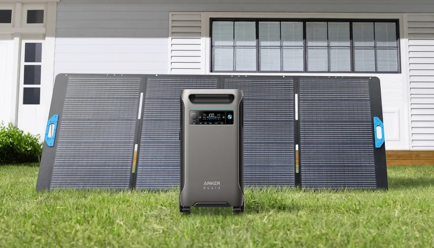
Energy solutions are evolving beyond traditional homes, and apartments or rental units are no exception. Many people assume solar panels are only feasible for houses they own, but portable technology has changed that perception. Today, renters can access renewable energy without permanent installations, offering both convenience and sustainability. Portable panels, compact batteries, and smart setups make clean energy practical even in limited spaces. Integrating solar powered outlet systems allows residents to charge electronics directly with sunlight, adding everyday convenience. In this article, practical ways to adopt solar power in apartments or rentals will be explored in a realistic and accessible way.
1. Portable Solar: The Renter’s Best Friend
Set Up on Balcony, Patio, or Near Windows
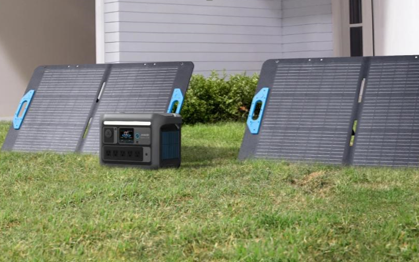
Portable solar panels provide flexibility for renters who cannot make permanent modifications to their units. These panels can be placed on balconies, patios, or even near large windows to capture sunlight efficiently. Minimal setup is required, making it simple to start generating power immediately. They can be angled or moved throughout the day to maximize exposure, which is particularly useful in apartments with limited sunlight. Solar powered outlet devices allow for direct charging of phones, laptops, and small appliances, making the system functional without additional infrastructure. With the right placement, portable solar can reliably supply a meaningful portion of daily energy needs.
No Installation, No Landlord Permission
One of the biggest advantages of portable solar is that it does not require installation or landlord approval. Systems are freestanding and compact, so they can be taken with tenants when moving. This mobility encourages sustainable habits even in temporary living situations. Batteries can be paired with portable panels to store excess energy for nighttime or cloudy days.
2. What Portable Solar Can Power
Portable solar systems can generate enough electricity to run a variety of household and recreational devices. They are well-suited for charging phones, laptops, tablets, and other small electronics directly through a solar powered outlet. Lightweight and efficient panels make it practical to set up in balconies, patios, or near windows for consistent energy. Products like Anker solar panels offer a balance of portability, reliability, and ease of use, supporting everyday devices without complex setups. Some systems can even power small fans, lights, or mini-fridges during short periods. This versatility makes portable solar appealing for renters who need flexible, scalable energy solutions.
3. Talk to Your Landlord
While portable panels do not require permission, discussing solar plans with a landlord can still be beneficial. Some landlords may allow or even support larger community solar or shared rooftop setups. Communicating intentions can prevent misunderstandings and sometimes unlock additional resources or infrastructure. Understanding building rules, HOA guidelines, or local regulations ensures compliance and safe installation. Even small discussions about placement and usage can improve the effectiveness and longevity of portable panels. Collaborative planning can make solar adoption smoother and more rewarding for both tenants and property owners.
4. Window and Balcony Setup Tips
South-Facing Windows Work Best
Maximizing sunlight exposure is critical for efficient solar power generation. South-facing windows receive the most consistent sunlight during the day in the northern hemisphere, which enhances output. Adjustable panels can be angled to capture direct rays during peak hours. Even in apartments where windows are partially shaded, strategic placement can still yield useful power for electronics. A thoughtful setup transforms available sunlight into a consistent and practical energy source.
Even Partial Sun Generates Power
Portable panels are surprisingly effective even with partial sunlight, which is common in urban apartments. Cloud cover, shadows, or nearby buildings may reduce peak efficiency but rarely eliminate power production entirely. Panels can be repositioned throughout the day to track sunlight and optimize energy capture. Small-scale setups can be scaled gradually without complicated installation, allowing renters to experiment and learn. Even modest energy generation contributes to convenience, savings, and sustainable habits.
See also: Benefits and Risks of Social Media Technology
5. Start Small, Scale Later
One Panel + Power Station Covers Basics
For renters starting with solar, a single panel combined with a small power station can cover essential devices. Phones, tablets, laptops, and lights can all be charged without relying entirely on the grid. This approach allows users to test how solar fits into their lifestyle before expanding. Portable systems are easy to add to over time, enabling a gradual increase in capacity. Starting small reduces upfront costs and makes adoption practical for new users.
Add More As You Settle In
Once energy needs are better understood, additional panels or larger batteries can be integrated. Expansion allows for powering more electronics, small appliances, or even temporary outdoor setups. Portable systems ensure that growth remains flexible, supporting changes in living arrangements or lifestyle. Scaling gradually also helps avoid overspending or overcomplicating the setup. By starting small and expanding, renters can build a sustainable solar system that matches their daily routines effectively.
Conclusion
Solar panels are increasingly practical for renters and apartment dwellers. Portable systems provide flexibility, easy setup, and the ability to move between residences. Even small units with solar powered outlet devices can support phones, laptops, and essential electronics reliably. Strategic placement near windows or on balconies maximizes sunlight capture and energy efficiency. Gradual scaling allows users to expand capacity as needs grow without permanent installations. With thoughtful planning, solar technology becomes accessible, practical, and beneficial for tenants seeking clean, flexible energy solutions.