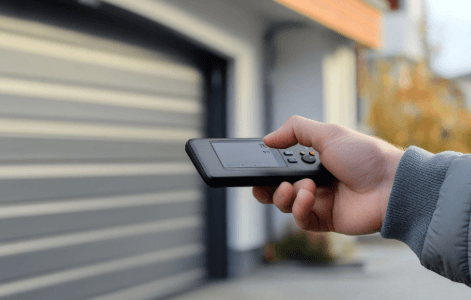
You hit the button, the door drops a foot, and it goes right back up. Nine times out of ten, it’s a sensor problem. Sensors are one of the easier things to sort out once you know what you’re looking at.
Those little photo-eye units sit a few inches off the ground on both sides of the door and cause more headaches than any other part of the system. Before assuming the worst, garage door service by Select Garage Doors can help you figure out what’s going on. There’s a good chance you can handle this yourself.
What Are the Signs That Your Garage Door Sensors Aren’t Working?
Usually you don’t know there’s a sensor issue until the door just refuses to close. By that point most people have already mashed the button half a dozen times and started mentally pricing out a new opener. Worth slowing down first.
The Indicator Lights Are Trying to Tell You Something
Each sensor has a small LED on it. The sending unit glows amber or yellow. The receiving unit glows solid green. When both lights are steady, things are working the way they should.
A blinking green light means the sensors are out of alignment. One light completely off usually means a wiring or power issue on that side. Both lights dark? Don’t write off the sensors yet. Start with the wiring at the opener. A loose terminal connection is way more common than two sensors dying at the same time.
Colorado Sun Can Shut the Whole Thing Down
This catches a lot of Lakewood homeowners off guard. At certain times of day, when the sun is riding low on the horizon, it can beam straight into the receiving sensor’s lens. The sensor gets overwhelmed and reads it as a blocked beam. Door won’t close. Nothing is broken. The sensor is actually doing exactly what it’s supposed to do.
Tape a small piece of cardboard over the sensor to shade the lens without blocking the beam between the two units. If the door closes right after that, the sun was your problem the whole time.
How Do You Troubleshoot Garage Door Sensors at Home?
Most sensor problems trace back to the same handful of things. Misalignment, dirty lenses, wiring, and sunlight. Run through each one, and there’s a good chance you’ll have this wrapped up in under ten minutes.
Check Alignment First
A garage door opens and closes around 1,500 times a year. All that movement vibrates the sensor brackets little by little, and eventually the beam stops connecting cleanly. The sensors don’t have to move far to cause a problem.
Loosen the wing nut on the blinking sensor, nudge it until the LED goes solid, then snug it back down. That’s usually the whole job. It doesn’t take much.
Wipe the Lenses
Garages are grimier than people realize, especially down near the floor. Dust, pollen, cobwebs, and oil mist off the door mechanism. It all coats the lens over time and gradually degrades the beam signal.
Grab a dry cloth and wipe both lenses off. No spray, no chemicals, just a quick wipe. Try the door before doing anything else. More service calls than you’d expect end right there.
Look at the Wiring
Trace the wires from each sensor up to the opener. Look for anywhere they’re pinched against the track, frayed next to a staple, or chewed through. Rodents in a garage are not exactly rare. If the wire is damaged, the LED on that sensor will be dark. Don’t patch it with tape. Get a technician to replace the run properly.
When Should You Call a Professional?
If you’ve gone through alignment, lens cleaning, and wiring and the door still won’t close, something beyond the basics is going on. That’s when a professional diagnosis is worth it.
Age Matters More Than People Think
Sensors generally last somewhere between 10 and 15 years with regular maintenance. In the Denver metro and Lakewood specifically, the climate pushes them harder than most. Winter lows sit in the low 20s°F and occasionally dip below 7°F during cold snaps.
Summer pushes into the mid-to-upper 80s. All that expanding and contracting stresses the lens housing, wiring insulation, and mounting hardware every single year. Plastic gets brittle. Connections work themselves loose a little at a time.
A sensor that’s 12 or 15 years old and keeps acting up after you’ve done everything right is probably just worn out. At that point, replacing it costs less than continuing to troubleshoot the same problem over and over.
The Cost Is Pretty Manageable
Professional sensor replacement usually comes in between $70 and $190 depending on the sensor and the labor involved. A technician handles the swap, aligns everything, and tests it before leaving. One visit and it’s done. For something that keeps your door from coming down on a person or a pet, that’s money well spent.
See also: Budget-Friendly Home Improvement Ideas
It’s Almost Never as Bad as It Looks
A garage door that won’t close feels like a big problem in the moment. Usually it isn’t. Sensors are one of the most straightforward things on the whole door to fix. Wipe the lenses, check the alignment, and trace the wiring. Do that before calling anyone. Odds are the answer is right in front of you.
And if it turns out you do need a professional, that’s not a bad outcome either. A good technician will have it diagnosed and sorted in a single visit, and you’ll walk away knowing the safety system on your door is actually working the way it should.