If you are planning to remove or remodel a building, you may wonder: What type of demolition do I need?
A professional Demolition Company in NYC does not use the same method for every project. The type of demolition depends on the building structure, location, size, safety requirements, and future construction plans. In a city like New York, where buildings are close together and regulations are strict, choosing the correct demolition method is extremely important.
There are four main types of demolition: selective demolition, total demolition, interior demolition, and explosive demolition. Each method serves a different purpose and requires a specific level of planning, safety control, and expertise.
This guide explains these demolition types in simple terms so property owners, developers, and business operators can better understand their options.
Understanding Demolition in NYC
Demolition is more than tearing down walls. It involves engineering review, permits, environmental checks, and safety planning. In New York City, projects must follow Department of Buildings (DOB) rules, OSHA safety standards, and environmental guidelines.
A reliable Demolition Company in NYC evaluates the structure carefully before recommending a demolition method. Factors such as building age, materials used, neighboring properties, underground utilities, and future construction goals all influence the approach.
Selective Demolition: Precision Removal
Selective demolition focuses on removing specific parts of a building while keeping the remaining structure intact. This method is common in renovation and remodeling projects.
Instead of demolishing the entire property, contractors carefully remove certain elements such as:
- Interior walls
- Flooring
- Ceilings
- Mechanical systems
- Structural sections being replaced
Selective demolition requires detailed planning. Engineers identify load-bearing components to ensure structural stability during the process. Precision tools, compact equipment, and sometimes robotic demolition machines are used to reduce risk.
In NYC, selective demolition is often used in office renovations, retail remodels, apartment upgrades, and mixed-use property improvements. Because many buildings share walls or have limited space, controlled removal is essential.
Spartan Demolition Company frequently handles selective demolition projects where accuracy and structural awareness are critical. This approach allows property owners to modernize spaces without removing the entire building.
Total Demolition: Complete Structure Removal
Total demolition involves tearing down an entire structure, including its foundation in many cases. This method is used when a building is unsafe, outdated, or being replaced with new construction.
In New York City, total demolition requires detailed permits, engineering plans, and safety approvals. Contractors must ensure that nearby buildings are protected during the process.
The total demolition process typically includes:
- Utility disconnection
- Hazardous material removal
- Controlled structural dismantling
- Debris removal and site clearing
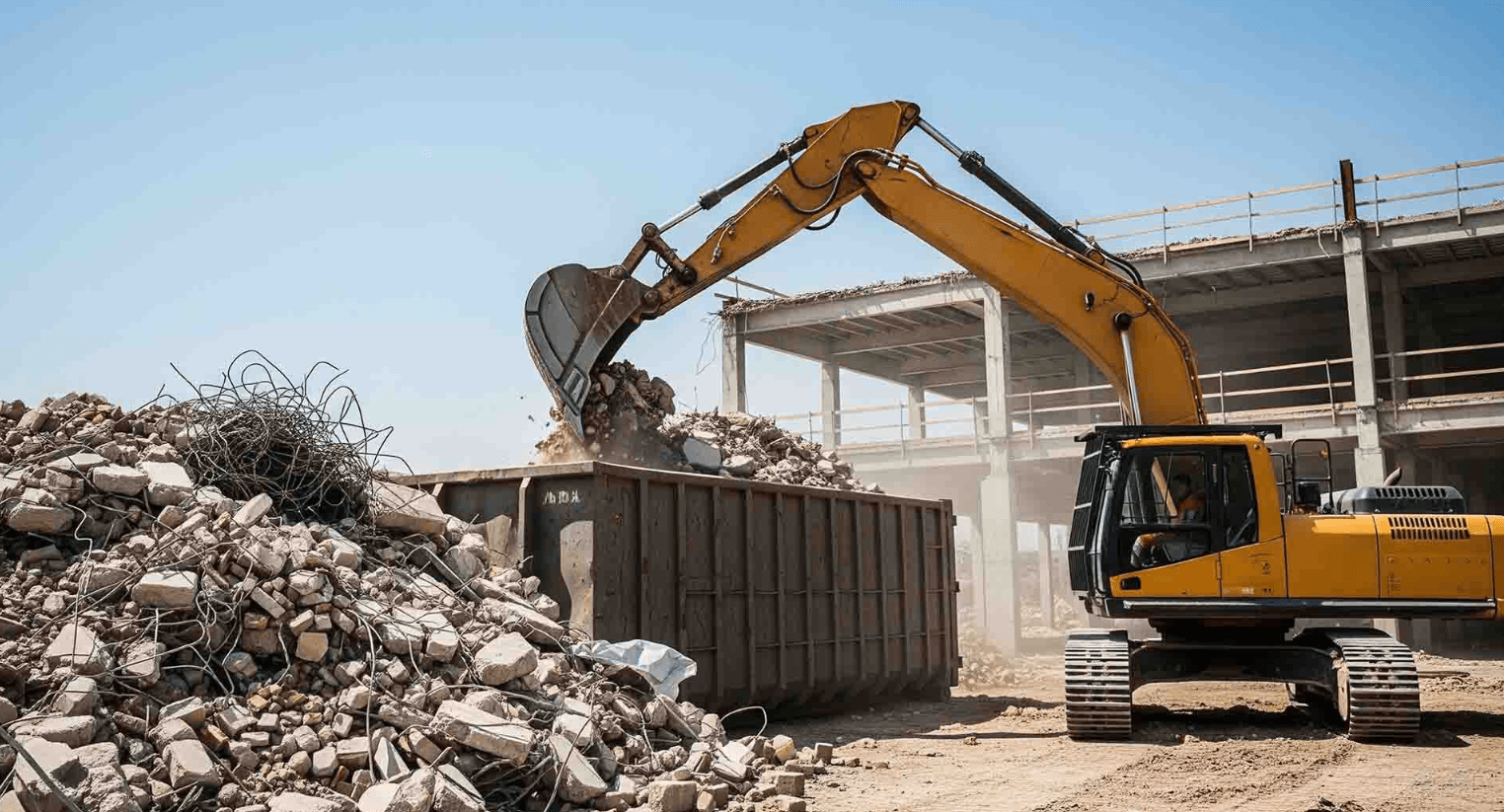
Unlike explosive demolition, total demolition in NYC is usually performed using mechanical equipment such as excavators with hydraulic breakers and shears. Buildings are dismantled step by step, often from top to bottom.
A professional Demolition Company in NYC chooses mechanical demolition because it offers better control in tight urban environments. Controlled removal reduces vibration, limits dust spread, and protects neighboring structures.
Total demolition projects are common for redevelopment plans, commercial property upgrades, and new residential developments.
Interior Demolition: Preparing for Renovation
Interior demolition focuses only on the inside of a building. The outer structure remains intact while internal components are removed.
This type of demolition is common in commercial spaces, apartment renovations, restaurants, and office buildings. Contractors remove interior elements such as drywall, partitions, fixtures, plumbing systems, and electrical components.
Interior demolition may seem simple, but it still requires careful planning. Contractors must:
- Identify load-bearing walls
- Protect structural columns
- Disconnect utilities safely
- Control dust and debris
In NYC, interior demolition also requires proper permits and compliance with safety regulations. Dust control is especially important in occupied buildings to protect tenants and neighboring businesses.
Spartan Demolition Company approaches interior demolition with precision and organized planning to ensure that remodeling contractors can begin construction smoothly after the demolition phase is complete.
Explosive Demolition: Controlled Implosion
Explosive demolition, also known as implosion, is a highly specialized method used to bring down large structures quickly by using controlled explosives.
This method is rarely used in New York City due to dense surroundings and safety concerns. Explosive demolition is typically reserved for:
- Large industrial structures
- Stadiums
- Isolated high-rise buildings
- Structures in open areas
The process involves placing explosives at strategic structural points so that the building collapses inward rather than outward. Engineers calculate the exact timing and placement to control the collapse.
Because of the complexity and risks involved, explosive demolition requires advanced engineering expertise, strict permits, and coordination with city officials.
In most NYC projects, mechanical demolition is preferred because it provides greater control and reduces risk to neighboring buildings and infrastructure.
Comparing the Four Demolition Types
Each demolition method serves a different purpose.
Selective demolition is best for renovations where only certain sections must be removed. It allows modernization without destroying the entire structure.
Total demolition is necessary when the building must be completely removed for new development.
Interior demolition prepares buildings for remodeling while preserving the exterior and main framework.
Explosive demolition is used for large-scale projects in open environments where controlled implosion is feasible.
A professional Demolition Company in NYC evaluates the project carefully before recommending the right method. Choosing the wrong approach can increase costs, create delays, and introduce safety risks.
Safety Considerations Across All Methods
Regardless of the type, demolition projects must meet strict safety standards.
Safety planning includes structural assessments, hazard identification, worker training, and public protection measures. In NYC, contractors often install sidewalk sheds, protective barriers, and dust control systems.
Heavy equipment operators must be licensed, and workers must complete OSHA safety training. Environmental compliance is also critical, especially when dealing with asbestos or lead-based materials.
Spartan Demolition Company prioritizes safety in every demolition method, ensuring that each project complies with city regulations and industry standards.
Environmental and Waste Management Practices
Demolition generates large amounts of debris, including concrete, steel, wood, and other materials. Responsible waste management is part of every demolition type.
Concrete and metal are often recycled. Hazardous materials must be handled by certified professionals. Proper debris removal keeps job sites safe and organized.
In NYC, environmental compliance is closely monitored. Contractors must follow air quality standards, dust suppression requirements, and proper disposal procedures.
Choosing the Right Demolition Approach for Your Project
Property owners often ask which demolition type is best for their needs. The answer depends on:
- The condition of the building
- Future construction plans
- Location and surrounding structures
- Budget and timeline
- Regulatory requirements
An experienced Demolition Company in NYC will conduct a full site inspection before making recommendations. They evaluate structural stability, review engineering reports, and assess environmental factors.
Spartan Demolition Company works closely with property owners, architects, and engineers to determine the most efficient and safest demolition method for each project.
Read also: Budget-Friendly Home Improvement Ideas
The Strategic Role of Demolition in Urban Development
Demolition plays an important role in shaping New York City’s growth. Whether it is clearing space for new construction, renovating commercial properties, or modernizing outdated structures, demolition methods must be selected carefully.
Selective demolition in NYC supports adaptive reuse and renovation. Total demolition allows new developments to rise. Interior demolition prepares spaces for upgrades. Explosive demolition handles large-scale structural removal when conditions allow.
Understanding these demolition types helps property owners make informed decisions and choose experienced professionals who prioritize safety, compliance, and efficiency.
When working with a trusted name like Spartan Demolition Company, clients benefit from detailed planning, technical expertise, and a clear understanding of which demolition method best fits their project goals.