Introduction
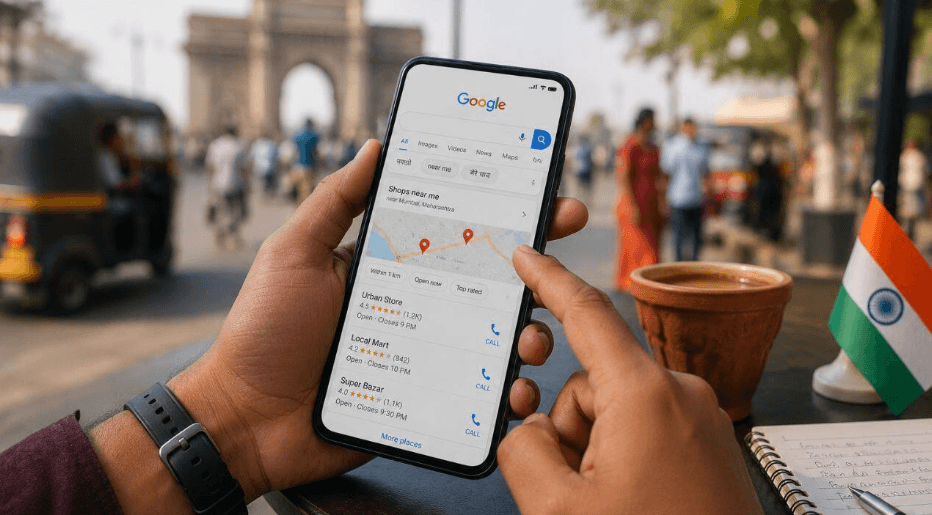
Mobile devices continue to dominate internet usage, making mobile search optimization more important than ever. As Google prioritizes user experience and mobile-first indexing, businesses that fail to optimize their websites for mobile users risk losing valuable traffic, rankings, and potential customers. In 2026, mobile SEO is no longer just a technical consideration—it is a fundamental requirement for online success.
A mobile-friendly website helps search engines understand and rank content more effectively while providing users with a fast and seamless browsing experience. By following the latest mobile SEO best practices, businesses can improve their visibility in search results and stay ahead of competitors.
Understand Google’s Mobile-First Indexing
Google primarily uses the mobile version of a website when evaluating content for indexing and ranking. This means that your mobile site is considered the primary version of your website, regardless of how visitors access it.
Businesses should ensure that their mobile website contains the same valuable content, metadata, and structured information as the desktop version. Missing content or functionality on mobile devices can negatively impact search performance and user experience.
Prioritize Mobile Page Speed
Page speed remains one of the most important ranking factors in 2026. Mobile users expect websites to load quickly, and delays can lead to higher bounce rates and lower engagement levels.
Optimizing page speed involves reducing unnecessary code, compressing images, minimizing server response times, and leveraging browser caching. Faster websites provide better user experiences and are more likely to perform well in search engine rankings.
Optimize Core Web Vitals
Core Web Vitals continue to play a significant role in Google’s assessment of website quality. These metrics measure loading performance, visual stability, and responsiveness during user interactions.
Websites that deliver smooth and reliable experiences often achieve better engagement metrics and stronger search visibility. Improving Core Web Vitals should be a central part of every mobile SEO strategy, as it directly impacts both user satisfaction and ranking potential.
Use Responsive Web Design
Responsive design ensures that a website adapts automatically to different screen sizes and devices. Instead of maintaining separate desktop and mobile versions, responsive websites provide a consistent experience across all platforms.
Google recommends responsive design because it simplifies crawling and indexing while reducing technical complications. A responsive layout also improves usability, making it easier for visitors to navigate and interact with content.
Optimize Images for Mobile Devices
Large image files are among the most common causes of slow mobile websites. Proper image optimization can significantly improve loading speed and overall performance.
Businesses should use modern image formats, compress files without sacrificing quality, and serve responsive images that adjust based on device specifications. Faster-loading images contribute to a better user experience and support stronger SEO performance.
Create Mobile-Friendly Content
Mobile users interact with content differently than desktop users. Long blocks of text can be difficult to read on smaller screens, making readability a key component of mobile optimization.
Content should be organized using clear headings, concise paragraphs, and logical formatting. Easy-to-read content improves engagement, encourages longer session durations, and helps visitors find information more efficiently.
Improve Mobile Navigation
A well-structured navigation system is essential for both users and search engines. Mobile menus should be simple, intuitive, and easy to access.
Visitors should be able to find important pages quickly without excessive scrolling or tapping. Clear navigation improves usability, reduces frustration, and helps search engines understand the overall structure of a website.
Optimize for Local Mobile Searches
Many mobile searches have local intent, with users looking for nearby products, services, or businesses. Optimizing for local SEO can help businesses capture highly targeted traffic from potential customers.
Accurate business information, location-specific content, and consistent contact details help improve visibility in local search results. Mobile users often make immediate decisions based on local search results, making local optimization a valuable strategy.
Implement Structured Data
Structured data helps search engines understand website content more effectively. By providing additional context, structured data can improve how pages appear in search results and increase visibility through rich results.
When implemented correctly, structured data enhances search listings and can improve click-through rates by providing users with more relevant information before they visit the website.
Focus on User Experience Signals
Google increasingly evaluates websites based on how users interact with them. Factors such as bounce rate, engagement, navigation efficiency, and overall usability contribute to a website’s success.
A positive user experience encourages visitors to stay longer, explore additional content, and complete desired actions. These engagement signals can indirectly support improved search rankings over time.
Eliminate Intrusive Interstitials
Pop-ups and intrusive overlays can negatively affect the mobile browsing experience. Users become frustrated when content is blocked or difficult to access.
Businesses should use promotional elements carefully and ensure they do not interfere with the user’s ability to consume content. Maintaining accessibility and usability should always take priority over aggressive marketing tactics.
Secure Your Website with HTTPS
Website security remains a critical ranking factor and trust signal. HTTPS encryption protects user data and helps establish credibility with both visitors and search engines.
A secure website not only supports better SEO performance but also increases user confidence, especially when handling contact forms, transactions, or sensitive information.
See also: Tech innovations revolutionizing vehicle inspections and safety
Optimize Internal Linking
Internal links help users discover related content while assisting search engines in understanding the relationship between different pages. A strategic internal linking structure can improve crawlability and distribute authority throughout the website.
Mobile users benefit from clear pathways to relevant information, which can increase engagement and improve overall website performance.
Monitor Mobile SEO Performance Regularly
Search engine optimization is an ongoing process that requires continuous monitoring and refinement. Website owners should regularly evaluate performance metrics, user behavior, and search visibility to identify opportunities for improvement.
Routine audits help uncover technical issues, usability challenges, and optimization gaps before they significantly impact rankings or traffic.
Conclusion
Mobile SEO has become one of the most important components of digital marketing success in 2026. With Google’s mobile-first approach and increasing emphasis on user experience, businesses must ensure their websites are fast, responsive, secure, and easy to navigate.
By focusing on page speed, Core Web Vitals, responsive design, content optimization, local SEO, and user experience improvements, businesses can strengthen their search visibility and provide better experiences for mobile visitors. Investing in mobile SEO today creates a strong foundation for sustainable growth, higher rankings, and increased online success in the years ahead.