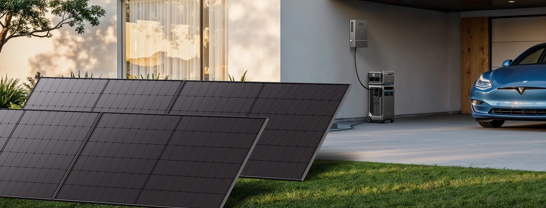
Proper maintenance ensures that a solar generator remains dependable and efficient for years. When purchasing a unit, many customers prioritize capacity and output over periodic maintenance. Unlike gas generators, solar versions do not require fuel changes or engine maintenance. However, they still require inspection, monitoring, and responsible billing practices. Batteries, connections, software systems, and solar panels are all factors that influence long-term performance. Small faults, if overlooked, can diminish efficiency and limit lifespan. This book discusses the necessary maintenance activities that every owner should complete and offers practical strategies to safeguard battery health, increase charging efficiency, and extend overall system longevity.
What Routine Maintenance Does a Solar Generator Require?
Inspecting Cables, Ports, and Physical Condition
Avoidable performance issues are prevented by routine visual examination. Examine connectors for solar input, DC ports, and AC outlets for loose connections, dust, or corrosion. Stable charging and output are guaranteed via solid connections. Check cables for bent connections, exposed wire, or fractures. Overheating may result from damaged cables, which increase resistance. Maintaining enough airflow and cooling effectiveness requires keeping vents free of debris. Check for impact damage on the outside shell, particularly after transportation. If the machine has cooling fans, pay attention to any strange noises made while it’s running. Early resolution of minor physical problems shields internal components from needless stress or failure and avoids electrical malfunctions.
Monitoring Battery Health and Charge Cycles
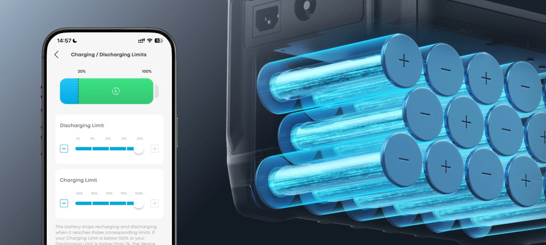
The longevity of solar generators is directly impacted by battery state. The majority of contemporary devices show the temperature, cycle count, and battery %. Keep a regular eye on these indications. Although lithium iron phosphate batteries can withstand thousands of cycles, their performance inevitably deteriorates over time. Steer clear of deep discharges to zero percent too often, as this puts more strain on cells. If at all feasible, keep charge levels within the suggested ranges. Examine the energy intake and output history to spot odd trends if the device has a mobile app. Long-term deterioration can be avoided by early identification of abnormal performance. Regular monitoring guarantees the battery runs smoothly and keeps its capacity constant.
Updating Firmware and Checking System Alerts
Smart management systems with firmware support are a common feature of high-tech solar producers. Updates are released by manufacturers to address software issues, improve safety features, and improve charging algorithms. For updates, check the manufacturer’s website or app from time to time. To prevent disruptions during the process, install firmware upgrades in accordance with published instructions. You should never disregard system alarms. Protective measures are in operation when warning signals regarding input limitations, temperature, or overload are displayed. Look into the cause and fix it right away. System dependability is increased by reacting to alarms and keeping up with software upgrades. Proactive digital maintenance guarantees excellent long-term functioning and safeguards performance.
How Can You Extend the Lifespan of Your Solar Generator?
Proper Charging Habits and Depth of Discharge (DoD)
Charging behavior strongly influences battery longevity. Avoid leaving the generator fully discharged for extended periods. Recharge the battery before it drops to extremely low levels, since every deep cycle consumes a portion of its available watt hour capacity over time. Cycle life is increased, and internal tension is decreased by maintaining a reasonable depth of discharge. When feasible, maintain the battery between 20 and 80 percent for long-term health. Wear is accelerated by many full cycles as opposed to partial cycles. Stick to the suggested input limitations and use suitable chargers. Avoid subjecting the battery to frequent, fast, high-load discharges. After years of consistent usage, reliable performance and internal chemistry are preserved by responsible charging practices.
Cleaning and Positioning Solar Panels for Efficiency
The generator’s cycle frequency is influenced by the efficiency of the solar panels. Dust, pollen, and bird droppings that impede sunlight should be frequently removed from panel surfaces. To prevent scratching protective coatings, use gentle cloths and gentle cleaning agents. Panels should be positioned in full sun, away from buildings or trees. To get more sun exposure, change the tilt angles according to the season. Panels should be securely fastened to avoid wind movement that might release connections. Check for wear on the mounting hardware. Effective panels lessen battery strain and shorten charging times. Energy harvesting is enhanced, and overall system lifespan is supported by proper cleaning and placement.
See also: Benefits and Risks of Social Media Technology
Safe Storage, Temperature Control, and Long-Term Care
Battery health is greatly influenced by storage conditions. A dry, well-ventilated area with a moderate temperature is ideal for the generator. Steer clear of extremely hot or cold temperatures since they both impair battery performance. Maintain a partial charge and check the levels every few months if you plan to store for a long time. To avoid dust accumulation, disconnect any unneeded cords and cover any ports. Do not place heavy items on top of the unit. Use weatherproof covers and raise the generator off damp surfaces when storing it outside. Careful long-term maintenance keeps internal parts intact and guarantees that the system is always available for use right away.
Conclusion
Simple yet regular maintenance is necessary for solar generators. Firmware upgrades, routine inspections, and battery monitoring stop performance problems before they get out of hand. Battery chemistry is protected by prudent charging practices and a limited depth of discharge. Clean solar panels minimize needless cycling and increase charging efficiency. The longevity of the equipment is further increased by proper storage and temperature management. Although solar models require less mechanical maintenance than fuel generators, they nonetheless benefit from consideration and preparation. By adhering to these maintenance procedures, owners safeguard their investment and guarantee reliable functioning. A solar generator may provide consistent, sustainable electricity for many years with regular maintenance.