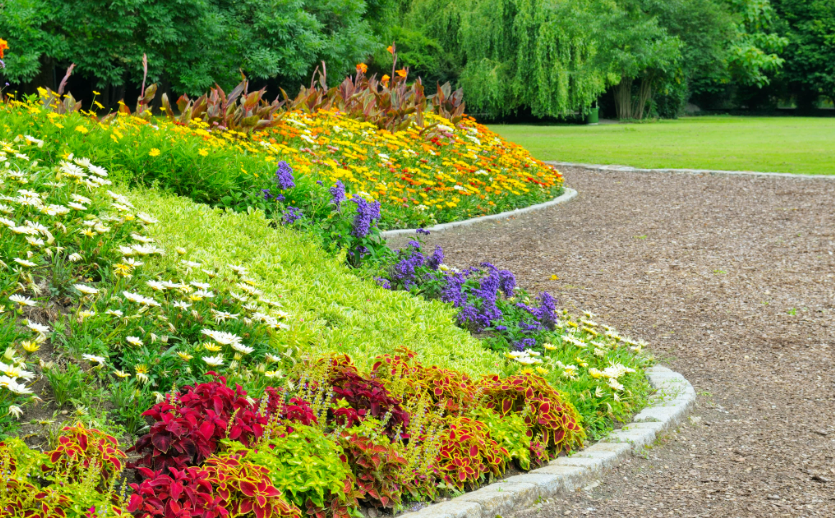
Picture this. You step into your backyard and instead of a flat stretch of grass, there’s a slope rising up toward the back fence. Maybe you’ve spent years seeing that hill as a problem, something to mow around carefully or worry about after a big storm. Here’s the thing though, that same slope is actually a gift in disguise. Flat yards are common and honestly kind of boring, while a hill gives you elevation, movement, and a sense of arrival that most properties simply don’t have. Once you start treating it as an opportunity instead of an obstacle, everything about the planning process changes.
Read the Land Before You Touch It
Before you even think about calling a contractor, spend a few weekends just watching your yard. Where does water pool after a heavy rain? Where does the grass look thin or washed out? Which corners get sun all afternoon and which ones stay shaded and damp? This kind of quiet observation might feel like you’re stalling, but it’s honestly the most valuable homework you can do. Every decision that comes later, from where you put a retaining wall to which plants will actually survive, depends on what the land is already telling you. Grab your phone and snap photos at different times of day so you’ve got something to compare once the real planning starts.
Terracing Turns a Problem Into a Feature
If there’s one technique that transforms a tricky slope into something genuinely usable, it’s terracing. By breaking the hill into a series of level steps, you get flat sections perfect for a seating nook, a raised garden bed, or a little patio, while retaining walls hold everything in place between each tier. It also slows water down dramatically, which means your topsoil stays put instead of washing away every spring. Stone, timber, and poured concrete each give a different feel, so the material you pick should match the personality of your house rather than being an afterthought. Think of terracing less like damage control and more like adding rooms to your yard, because that’s essentially what it does.
See also: Experience Trivandrum’s Cultural Beauty With Smart Travel Planning Tips
Pick Plants That Actually Want to Live There
Not every plant is cut out for hillside living, and this is where a lot of backyard projects quietly go wrong. Shallow rooted annuals might look pretty for a season, but deep rooted shrubs, ornamental grasses, and thick ground cover are what actually hold a slope together when the rain starts coming down hard. Staggering plant heights as you move up the hill also tricks the eye into thinking the space is bigger than it is, which is a nice bonus nobody complains about. A heavy layer of mulch around anything newly planted buys the roots time to settle in before wind and weather test them. Give it a season or two and a well chosen planting scheme will basically start taking care of itself.
Why 3D Landscape Design Changes Everything
Here’s where most homeowners get stuck. A sloped yard is genuinely hard to picture in its finished state from a sketch or a verbal description alone, no matter how detailed. This is exactly the gap that 3D landscape design is meant to fill. Rather than guessing how a retaining wall or a set of stone steps will look once they’re actually built, a rendering lets you walk through the whole space before a single stone gets placed. You can see how the afternoon light hits each terrace, how the elevation changes feel underfoot, and whether the materials you picked actually match your home’s exterior. It also saves money in the long run, since moving a wall on a screen costs nothing compared to moving it after construction has already started. In a lot of ways, this kind of visualization lets you live in your future backyard for a minute, and that takes a huge amount of guesswork out of what is otherwise a pretty complicated project.
Let Water Do Some of the Work
A slope wants to move water whether you plan for it or not, so why fight that instinct? A dry creek bed lined with river rock can direct runoff exactly where you want it while looking like an intentional design choice rather than damage control. Small waterfalls and cascading features take advantage of the elevation you already have, turning what used to be a drainage headache into something you can actually hear from the patio on a quiet evening. These features do need careful planning around grading and drainage pipes underneath, which is one more reason a solid design phase pays for itself. Treat water like a design partner instead of an enemy and the whole hillside starts to feel like it was always meant to look this way.
Pool Landscaping on a Slope Takes Extra Thought
Adding a pool to a hillside property brings its own set of challenges, and this is exactly where pool landscaping gets interesting. Any retaining wall near a pool has to handle soil pressure plus the extra weight of water and decking, so this isn’t really a spot for guesswork. Leveling out a terrace for the pool itself, then using the rest of the slope for tiered seating, lighting, or a small waterfall, creates a resort style feel that a flat yard just can’t match. Paths and steps connecting the pool to the rest of the property should feel like a natural walk rather than a forced route, almost like a little trail through your own backyard. When pool landscaping gets planned alongside the rest of the hillside from day one, the finished result feels like one cohesive space instead of a few separate projects bolted together.
Bringing It All Together
Landscaping a hill takes more thought than working with a flat yard, sure, but that’s also exactly why the payoff feels so much bigger. Terracing solves the practical stuff like erosion and usability, the right plants keep the soil in place for years to come, and water features turn a drainage annoyance into one of the best parts of the yard. Seeing everything mapped out visually before construction begins takes away that nagging fear of not knowing how it will all come together until it’s too late to change course cheaply. A slope, once it’s properly designed, often ends up being the most memorable part of the whole property, offering views and texture that a flat lawn never could. Give it patience, the right expertise, and a clear picture from the start, and that hill you used to dread mowing could become the exact backyard you didn’t know you wanted.