In the United States, a suspected tirzepatide overdose is a call to Poison Control at 1-800-222-1222, or 911 for severe symptoms. What changes the risk in that situation is mostly context: concurrent insulin or a sulfonylurea, existing kidney disease, older age, disordered eating, and a product whose strength the patient cannot state.
The emergency route does not vary by risk factor
None of the factors described below change the first step. Poison Control is free, staffed continuously, and triages these calls constantly. Tirzepatide labeling points to that line or a medical toxicologist and describes management as supportive treatment matched to clinical signs. Risk factors change what a clinician watches for and how long, not whether the call gets made.
What else is in the medicine cabinet
The clearest modifier is other glucose-lowering medication. Tirzepatide labeling warns that use alongside insulin or an insulin secretagogue such as a sulfonylurea may raise the risk of hypoglycemia, including severe hypoglycemia, and that reducing the other agent may be needed. On its own the drug’s effect on insulin release is glucose-dependent, which is why a case series of unintentional semaglutide overdoses at initiation recorded gastrointestinal symptoms but no lows. Add insulin or a sulfonylurea and that reasoning stops holding.
Emergency department data support treating the combination as the higher-risk scenario. In a retrospective cohort across three poison centers that specifically excluded co-ingestions of medications known to cause significant hypoglycemia, lows still occurred in 9 percent of patients managed at a facility.
Risk factors and what they change
| Factor | Why it shifts the picture | What it changes in practice |
|---|---|---|
| Insulin or sulfonylurea in use | Labeled warning for hypoglycemia, including severe episodes | Glucose monitoring becomes central, other medications may need adjusting |
| Existing kidney disease | Acute injury in this class has followed volume depletion | Lower threshold for intravenous fluids and renal testing |
| Older age or frailty | Less reserve for days of vomiting and poor intake | Closer follow-up and earlier facility care |
| Disordered eating | Documented in reported tirzepatide overdose cases | Mental health assessment alongside medical management |
| Compounded product of unstated strength | Concentration is not standardized across pharmacies | Delivered amount cannot be assumed, widening the observation window |
| Child or teenager exposed | Rising share of poison center calls in this class | Immediate poison center contact regardless of symptoms |
Fluid loss and the kidneys
Reported kidney injury with this drug class has generally followed dehydration rather than direct renal toxicity, which makes vomiting and diarrhea the mechanism to watch. Anyone with reduced kidney function, on a diuretic, or living alone with nobody checking on intake sits further along that path. In facility-managed exposures, intravenous fluids were the most common treatment given.
Age at both ends of the range
National Poison Data System records show 13,924 single-substance exposures involving this drug class reported to United States poison centers between 2017 and 2024, with the rate per million people rising steeply and fastest among children aged 6 to 17. Most exposures, 91.7 percent, were associated with no effect or mild effects, which is reassuring at population level and irrelevant to any individual child in front of a parent.
Approved use also differs by product. Mounjaro is indicated for type 2 diabetes in adults and pediatric patients 10 years and older. Zepbound is indicated for weight management and for moderate to severe obstructive sleep apnea in adults with obesity. An exposure outside those groups is a poison center call whether or not anything has happened yet.
Since a documented strength shapes how any exposure is judged, it helps to know who commits that figure to writing. Manufacturer labeling settles it for brand pens; consumer clinics range from explicit to silent. HealthRX lists tirzepatide concentrations much as Ro and Hims and Hers do, and a strength that can be verified is one hazard subtracted rather than left to memory.
Disordered eating and intentional exposure
A published case described a woman with type 2 diabetes and bulimia nervosa who injected escalating amounts of tirzepatide on three consecutive days and developed paralytic ileus lasting three weeks. A separate report described a man in his sixties who presented with multiorgan failure, hypoglycemia, cholestatic liver dysfunction, and duodenal ulcers after a self-injected semaglutide overdose in the context of suicide-related behavior.
Where an overdose was deliberate, the medical response and the mental health response run together. In the United States, the 988 Suicide and Crisis Lifeline is reachable by call or text at 988, alongside 911 for medical emergencies.
The product itself is a risk factor
Compounded tirzepatide is not FDA-approved, and concentration is not standardized between compounding pharmacies. That drives a category of error absent with fixed-dose pens: a patient who correctly draws the same volume as last month can receive a different amount. A poison control center case series documented administration errors involving compounded semaglutide, and a pharmacovigilance analysis of compounded GLP-1 adverse event reports found dosing and administration problems formed a substantial share.
Reporting patterns point the same way. A study of FDA Adverse Event Reporting System data identified 3,348 reports of accidental overdose associated with GLP-1 receptor agonists, with disproportionate reporting across the class including tirzepatide, and the authors linked the trend to access routes involving online and compounding pharmacies. Those data show association rather than causation, as the authors state, but the direction matches the poison center series.
How the prescribing setup raises or lowers exposure to error
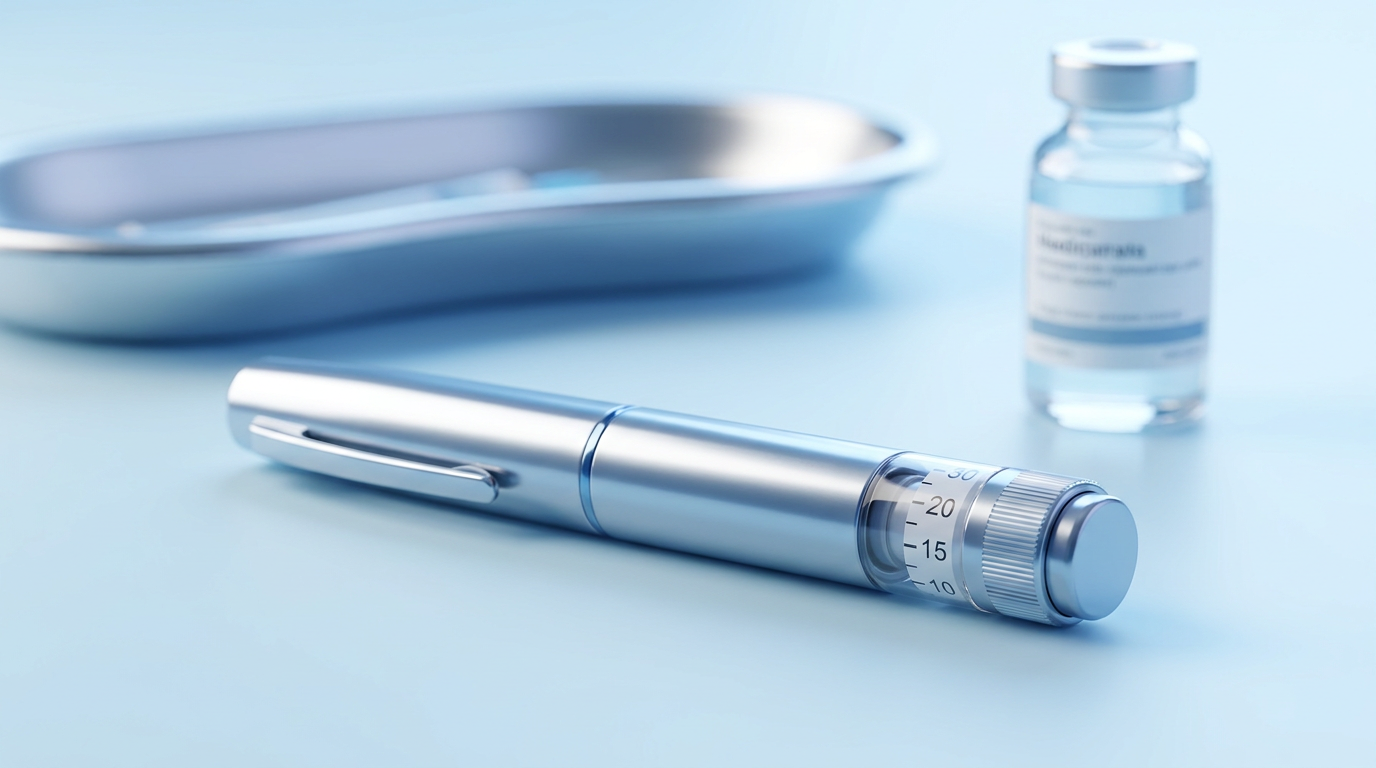
Supply structure decides how many chances there are to get it wrong. A fixed-dose pen removes the measurement step. A multi-dose vial and syringe put that step back in the hands of the patient, at home, once a week after a gap. Anyone whose prescription arrives that way carries a higher baseline risk regardless of how careful they are.
The prescribing relationship matters for the same reason. A primary care or endocrinology practice keeps one chart and a nurse line. Manufacturer routes such as LillyDirect and NovoCare send clinical questions back to the original prescriber. Telehealth services including Ro, Hims & Hers, LifeMD, and FormBlends vary in whether a compounded preparation’s concentration is stated in writing, whether refills hold it steady, and whether a returning patient reaches a clinician who knows the history. Those are answerable questions at signup, long before anything goes wrong.
Frequently asked questions
Does body weight change the risk from a given amount?
Less than people expect. Population pharmacokinetic modeling of tirzepatide found that adjusting the regimen based on demographic factors was not necessary, so weight is not a reliable buffer. The factors that consistently shift outcomes are concurrent glucose-lowering medication, kidney function, and how much fluid the person can keep down.
Is an accidental exposure in a child different?
It is handled with more urgency and less waiting. Poison center reports involving children have risen sharply in this class, and a child’s smaller reserve for vomiting and poor intake matters. The call to 1-800-222-1222 happens immediately, before symptoms, and the specialist decides what follows.
Does a long history of taking the drug reduce the risk?
No. Tolerance to gastrointestinal effects at a steady amount does not carry over to a much larger exposure, and reported cases include long-term users. What experience does provide is a clearer sense of what normal feels like, which makes an unusual reaction easier to recognize early.
Why does a compounded product widen the observation window?
Because the delivered amount is uncertain. Without a standardized concentration, a clinician cannot anchor the assessment to a known exposure and has to plan for the higher end of the plausible range. Bringing the vial and its label removes much of that uncertainty.
Do these risk factors change how long effects last?
The persistence comes from the drug rather than the patient. Tirzepatide has a half-life of roughly five days, and its labeling notes that observation and treatment may need to continue with that in mind. Risk factors change the intensity of what happens inside that window rather than its length.