Hemorrhoids are a common health concern that can affect people of all ages. While occasional symptoms may improve with simple lifestyle changes, persistent issues often require a more comprehensive approach. If you are searching for effective chronic hemorrhoids treatment, understanding the available options and preventive strategies can help you make informed decisions about your health.
At Seamless, we understand how ongoing hemorrhoid symptoms can impact daily comfort, confidence, and overall quality of life. Whether you experience recurring irritation, discomfort, or other persistent symptoms, exploring modern approaches to chronic hemorrhoids treatment can help you find lasting relief and support better long-term wellness.
Understanding Chronic Hemorrhoids
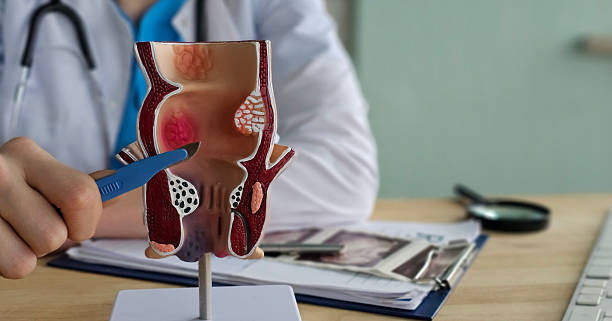
Hemorrhoids are swollen veins located in the lower rectum or around the anus. They become chronic when symptoms continue to return or persist despite basic self-care measures.
Unlike temporary flare-ups, chronic hemorrhoids can create ongoing discomfort that affects routine activities. Many people experience periods of improvement followed by recurring symptoms, making consistent management an important part of treatment.
Common factors associated with chronic hemorrhoids include:
- Prolonged sitting habits
- Frequent straining during bowel movements
- Chronic constipation
- Low-fiber dietary patterns
- Pregnancy-related pressure changes
- Lack of regular physical activity
- Aging and weakened tissue support
Understanding the underlying causes is often the first step toward achieving better symptom control.
Recognizing the Signs of Persistent Hemorrhoid Problems
Many individuals delay seeking help because they assume their symptoms will disappear on their own. However, recurring symptoms may indicate the need for professional evaluation.
Common signs of chronic hemorrhoids include:
- Persistent itching around the anal area
- Ongoing irritation and discomfort
- Swelling near the rectum
- Recurrent bleeding during bowel movements
- A sensation of incomplete bowel emptying
- Pain during daily activities
- Tissue protrusion that repeatedly returns
These symptoms can vary in intensity and may worsen without appropriate management.
Why Early Intervention Matters
Many people attempt to tolerate recurring hemorrhoid symptoms for extended periods. Unfortunately, delaying treatment can lead to increased discomfort and reduced quality of life.
Early intervention offers several benefits:
- Improved symptom management
- Better daily comfort
- Reduced irritation and inflammation
- Greater ability to maintain normal activities
- Lower risk of worsening symptoms
- Enhanced overall well-being
Seeking professional guidance allows healthcare providers to determine the most appropriate treatment approach based on individual needs.
Lifestyle Changes That Support Long-Term Relief
Lifestyle modifications play a significant role in managing chronic hemorrhoids. Small adjustments can help reduce pressure on affected veins and support healthier bowel habits.
Increase Fiber Intake
Fiber helps create softer stools and promotes smoother bowel movements.
Helpful fiber-rich foods include:
- Fruits
- Vegetables
- Whole grains
- Legumes
- Seeds
- Nuts
A balanced diet rich in fiber can reduce unnecessary straining and support digestive health.
Stay Properly Hydrated
Adequate hydration helps maintain stool consistency and supports healthy digestive function.
Simple hydration habits include:
- Drinking water regularly throughout the day
- Limiting excessive dehydrating beverages
- Consuming water-rich fruits and vegetables
Consistent hydration works alongside dietary fiber to support bowel regularity.
Maintain Regular Physical Activity
Movement encourages healthy digestion and circulation.
Beneficial activities may include:
- Walking
- Swimming
- Cycling
- Stretching exercises
- Low-impact fitness routines
Regular exercise can help reduce some contributing factors associated with chronic hemorrhoids.
Avoid Prolonged Sitting
Extended periods of sitting can place additional pressure on the rectal area.
Helpful strategies include:
- Taking standing breaks
- Walking periodically during work hours
- Using ergonomic seating when appropriate
- Incorporating movement throughout the day
These habits can contribute to improved comfort and circulation.
Non-Surgical Approaches to Symptom Management
Many patients benefit from conservative treatment methods before considering advanced procedures.
Common non-surgical strategies may include:
Topical Treatments
Specialized creams and ointments may help reduce irritation and provide temporary symptom relief.
Benefits can include:
- Reduced itching
- Improved comfort
- Decreased inflammation
- Better skin protection
Warm Sitz Baths
Soaking the affected area in warm water may help ease discomfort and promote relaxation.
Potential advantages include:
- Temporary symptom relief
- Improved local circulation
- Reduced irritation
- Enhanced comfort after bowel movements
Bowel Habit Improvements
Developing healthier bathroom habits can reduce pressure on hemorrhoidal tissues.
Recommended practices include:
- Avoiding excessive straining
- Responding promptly to bowel urges
- Limiting prolonged toilet sitting
- Supporting regular bowel patterns
These adjustments often contribute to better long-term symptom control.
Advanced Treatment Options for Chronic Hemorrhoids
When conservative methods are not enough, healthcare providers may recommend more advanced interventions.
Modern treatment options are designed to improve comfort while addressing the underlying problem.
Minimally Invasive Procedures
Several procedures can target problematic hemorrhoidal tissue without extensive surgery.
Potential benefits may include:
- Reduced recovery concerns
- Improved symptom resolution
- Less disruption to daily routines
- Targeted treatment approaches
These procedures are often considered for individuals experiencing recurring symptoms despite lifestyle modifications.
Surgical Solutions
In more severe situations, surgical intervention may be recommended.
Healthcare providers evaluate several factors before determining whether surgery is appropriate, including:
- Symptom severity
- Frequency of recurrence
- Overall health status
- Previous treatment outcomes
The goal is to provide long-term symptom relief while improving quality of life.
See also: Why Rooflights for Pitched Roof Designs Are Transforming Modern Homes
Preventing Future Flare-Ups
Successful management extends beyond treatment alone. Prevention strategies can help reduce the likelihood of recurring symptoms.
Helpful preventive habits include:
- Following a fiber-rich diet
- Staying physically active
- Maintaining healthy hydration
- Practicing proper bathroom habits
- Avoiding prolonged sitting periods
- Managing digestive health proactively
Consistency is often the key to maintaining long-term results and reducing symptom recurrence.
The Importance of Professional Evaluation
Not every rectal symptom is caused by hemorrhoids. Professional assessment helps ensure an accurate diagnosis and appropriate treatment plan.
Healthcare providers can:
- Evaluate symptom severity
- Identify contributing factors
- Recommend suitable treatment options
- Monitor long-term progress
- Provide personalized prevention guidance
Seeking expert care can help individuals achieve more effective and lasting symptom relief.
Conclusion
Living with recurring hemorrhoid symptoms can be frustrating, but effective solutions are available. From lifestyle improvements and conservative therapies to advanced medical procedures, modern approaches to chronic hemorrhoids treatment provide multiple pathways toward better comfort and improved quality of life. At Seamless, we believe that informed decisions and timely care can make a meaningful difference in long-term wellness. If persistent hemorrhoid symptoms are affecting your daily routine, contact us today to learn more about available treatment options and take the next step toward lasting relief.