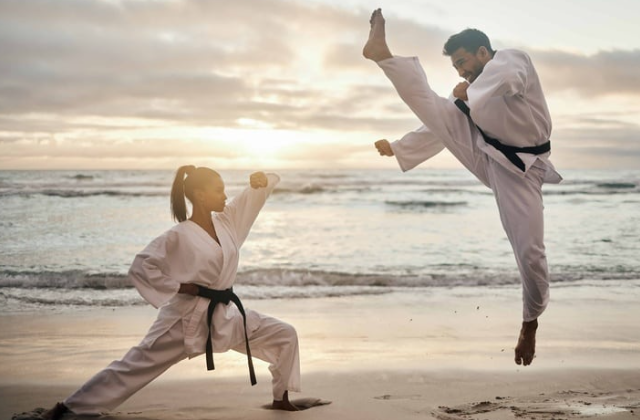
Starting something new as an adult can sometimes feel intimidating, especially when it involves physical activity and learning unfamiliar skills. Martial arts may seem like something people should begin during childhood, but adults can start training at many different stages of life.
Whether you are interested in improving your fitness, learning new skills, becoming more disciplined, or simply trying a different activity, Adults martial arts programs can provide a structured way to begin.
There Is No Fixed Age for Starting
Martial arts do not have one specific age at which beginners must start. Adults can begin in their 20s, 30s, 40s, 50s, or beyond, depending on their individual circumstances and the type of training they choose.
What matters most is finding a program that matches your current ability and goals.
A beginner does not need to arrive with excellent flexibility, strength, or coordination. These qualities can develop gradually through regular practice.
You Do Not Need Previous Experience
One common concern among adult beginners is that everyone else will already know what they are doing. In a beginner-friendly class, this should not be a major concern.
Instructors regularly work with students who have never practiced martial arts before. Initial lessons may focus on fundamental movements, basic positions, footwork, and simple techniques.
You can learn step by step without needing to understand advanced techniques from the beginning.
Martial Arts Can Support Physical Fitness
Martial arts training can involve movement, stretching, conditioning, balance exercises, and technique practice. The exact physical demands depend on the discipline and class structure.
Regular training may help you work on areas such as:
- Coordination
- Flexibility
- Balance
- Strength
- Stamina
- Mobility
- Body control
The important thing for beginners is to progress gradually instead of trying to match experienced students immediately.
Learning Can Continue Throughout Adulthood
Adults often have responsibilities involving work, family, and daily routines. Learning martial arts can provide a dedicated period of time for practicing something completely different.
Each class can introduce new movements or combinations that require attention and repetition. This makes training both physical and mentally engaging.
You may need to remember sequences, follow instructions, adjust your technique, and repeat movements until they become more natural.
Martial Arts Can Build Consistency
Progress in martial arts usually comes through regular practice rather than a single successful class.
Adults can use training as an opportunity to develop consistency. Attending classes regularly and practicing fundamental movements can gradually make unfamiliar techniques easier.
Small improvements can add up over time.
For example, you might initially struggle with balance or coordination. After repeated practice, the same movement may become much more comfortable.
Choosing the Right Martial Art
There are many different Adults martial arts and they do not all have the same focus. Your choice can depend on what you want from training.
Some people may be interested in:
- Striking techniques
- Grappling and ground techniques
- Traditional martial arts
- Self-defense training
- Fitness-focused classes
- Competitive training
- Discipline and structured progression
Researching different disciplines and attending introductory classes can help you understand which training style feels appropriate for you.
What to Expect From Your First Classes
Your first few classes may involve learning basic movements and becoming familiar with the instructor’s teaching style.
You may experience:
- Warm-up exercises
- Basic footwork
- Fundamental techniques
- Stretching
- Conditioning exercises
- Repetition drills
- Simple partner activities
You may also feel tired after your first session because your body is adapting to movements it does not regularly perform.
That is one reason beginners should follow the instructor’s pace and allow adequate recovery.
Adults Should Focus on Their Own Progress
Comparing yourself with younger or more experienced students can make learning unnecessarily stressful.
Instead, focus on whether you understand today’s lesson better than you did previously.
Your progress may look different from someone else’s. Factors such as previous athletic experience, flexibility, training frequency, and individual learning speed can all affect development.
The goal is to improve your own skills gradually.
Finding a Beginner-Friendly Program
When looking for Adults martial arts classes, pay attention to the environment as well as the training style.
Before joining, consider asking:
- Are adult beginners welcome?
- Is there a dedicated beginner class?
- How experienced are the instructors?
- What is the typical class size?
- What equipment is required?
- Are trial classes available?
- How are students grouped by experience?
- What is the expected training schedule?
A program that clearly explains its beginner pathway can make starting easier.
How to Stay Motivated
Starting is often easier than maintaining a new routine. Setting realistic expectations can help you stay committed.
Instead of expecting major changes immediately, focus on smaller goals such as attending classes consistently, learning a new technique, or improving a particular movement.
You can also keep track of your progress and recognize improvements that may otherwise be easy to overlook.
Listen to Your Body
Adults should pay attention to how their bodies respond to training. If you have an existing physical concern or have not exercised for a long time, discussing your situation with an appropriate healthcare professional before beginning a demanding exercise program may be sensible.
During training, proper technique and controlled movement are more important than trying to impress others.
Tell your instructor if you experience unusual pain or have a limitation that affects your ability to participate safely.
Conclusion
It is not automatically too late to start martial arts as an adult. Beginners can learn fundamental techniques, improve physical skills, develop consistency, and enjoy the challenge of learning something new at many different ages.
If you are considering Adults martial arts, look for a beginner-friendly program, choose a discipline that matches your goals, and give yourself enough time to develop gradually. Starting with realistic expectations can make the experience more enjoyable and sustainable.